Are you looking for Inspired writer, Contact author vikas acharya - +91-9911275074 Email: theacharyaa@gmail.com

Showing posts with label Bholenath. Show all posts

Wednesday, 6 May 2015

श्री शिव चालीसा

श्री शिव चालीसा

॥दोहा॥
जय गणेश गिरिजा सुवन, मंगल मूल सुजान।
कहत अयोध्यादास तुम, देहु अभय वरदान॥
India Myths

॥चौपाई॥
जय गिरिजा पति दीन दयाला। सदा करत सन्तन प्रतिपाला॥
भाल चन्द्रमा सोहत नीके। कानन कुण्डल नागफनी के॥
अंग गौर शिर गंग बहाये। मुण्डमाल तन क्षार लगाए॥
वस्त्र खाल बाघम्बर सोहे। छवि को देखि नाग मन मोहे॥
मैना मातु की हवे दुलारी। बाम अंग सोहत छवि न्यारी॥
कर त्रिशूल सोहत छवि भारी। करत सदा शत्रुन क्षयकारी॥
नन्दि गणेश सोहै तहँ कैसे। सागर मध्य कमल हैं जैसे॥
कार्तिक श्याम और गणराऊ। या छवि को कहि जात न काऊ॥
देवन जबहीं जाय पुकारा। तब ही दुख प्रभु आप निवारा॥
किया उपद्रव तारक भारी। देवन सब मिलि तुमहिं जुहारी॥
तुरत षडानन आप पठायउ। लवनिमेष महँ मारि गिरायउ॥
आप जलंधर असुर संहारा। सुयश तुम्हार विदित संसारा॥
त्रिपुरासुर सन युद्ध मचाई। सबहिं कृपा कर लीन बचाई॥
किया तपहिं भागीरथ भारी। पुरब प्रतिज्ञा तासु पुरारी॥
दानिन महँ तुम सम कोउ नाहीं। सेवक स्तुति करत सदाहीं॥
वेद माहि महिमा तुम गाई। अकथ अनादि भेद नहिं पाई॥
प्रकटी उदधि मंथन में ज्वाला। जरत सुरासुर भए विहाला॥
कीन्ही दया तहं करी सहाई। नीलकण्ठ तब नाम कहाई॥
पूजन रामचन्द्र जब कीन्हा। जीत के लंक विभीषण दीन्हा॥
सहस कमल में हो रहे धारी। कीन्ह परीक्षा तबहिं पुरारी॥
एक कमल प्रभु राखेउ जोई। कमल नयन पूजन चहं सोई॥
कठिन भक्ति देखी प्रभु शंकर। भए प्रसन्न दिए इच्छित वर॥
जय जय जय अनन्त अविनाशी। करत कृपा सब के घटवासी॥
दुष्ट सकल नित मोहि सतावै। भ्रमत रहौं मोहि चैन न आवै॥
त्राहि त्राहि मैं नाथ पुकारो। येहि अवसर मोहि आन उबारो॥
लै त्रिशूल शत्रुन को मारो। संकट ते मोहि आन उबारो॥
मात-पिता भ्राता सब होई। संकट में पूछत नहिं कोई॥
स्वामी एक है आस तुम्हारी। आय हरहु मम संकट भारी॥
धन निर्धन को देत सदा हीं। जो कोई जांचे सो फल पाहीं॥
अस्तुति केहि विधि करैं तुम्हारी। क्षमहु नाथ अब चूक हमारी॥
शंकर हो संकट के नाशन। मंगल कारण विघ्न विनाशन॥
योगी यति मुनि ध्यान लगावैं। शारद नारद शीश नवावैं॥
नमो नमो जय नमः शिवाय। सुर ब्रह्मादिक पार न पाय॥
जो यह पाठ करे मन लाई। ता पर होत है शम्भु सहाई॥
ॠनियां जो कोई हो अधिकारी। पाठ करे सो पावन हारी॥
पुत्र होन कर इच्छा जोई। निश्चय शिव प्रसाद तेहि होई॥
पण्डित त्रयोदशी को लावे। ध्यान पूर्वक होम करावे॥
त्रयोदशी व्रत करै हमेशा। ताके तन नहीं रहै कलेशा॥
धूप दीप नैवेद्य चढ़ावे। शंकर सम्मुख पाठ सुनावे॥
जन्म जन्म के पाप नसावे। अन्त धाम शिवपुर में पावे॥
कहैं अयोध्यादास आस तुम्हारी। जानि सकल दुःख हरहु हमारी॥

॥दोहा॥
नित्त नेम उठि प्रातः ही, पाठ करो चालीसा।
तुम मेरी मनोकामना, पूर्ण करो जगदीश॥
मगसिर छठि हेमन्त ॠतु, संवत चौसठ जान।
स्तुति चालीसा शिवहि, पूर्ण कीन कल्याण॥

Tuesday, 27 January 2015

Shiva Tandava – A vigorous dance

Shiva’s Tandava is described as a vigorous dance that is the source of the cycle of creation, preservation and dissolution.Shiva Tandava Stotram is a stotra, hymn of praise in the Hindu tradition that describes Shiva’s power and beauty.It is believed that Lord Shiva is the king of all dancers. He was an expert in the thandava style of dancing.
“Shiva Tandava”
Jatatavee gala jjala pravaha pavitha sthale,
Gale avalabhya lambithaam bhujanga thunga malikaam,
Dama ddama dama ddama ninnadava damarvayam,
Chakara chanda thandavam thanothu na shiva shivam.
Jata kataha sambhramabrama nillimpa nirjari,
Vilola veechi vallari viraja mana moordhani,
Dhaga dhaga daga jjwala lalata patta pavake,
Kishora Chandra shekare rathi prathi kshanam mama.
Dara darendra nandini vilasa bhandhu bhandura,
Sphuradigantha santhathi pramodha mana manase,
Krupa kadaksha dhorani niruddha durdharapadi,
Kwachi digambare mano vinodhamethu vasthuni.
Jada bhujanga pingala sphurath phana mani prabha,
Kadamba kumkuma drava praliptha digwadhu mukhe,
Madhandha sindhura sphurathwagu utthariya medhure,
Mano vinodhamadhbutham bibarthu bhootha bharthari.
Sahasra lochana prabhoothyasesha lekha shekhara,
Prasoona dhooli dhorani vidhu sarangri peedabhu,
Bhujangaraja Malaya nibhadha jada jhootaka,
Sriyai chiraya jayatham chakora bandhu shekhara.
Lalata chathwara jwaladhanam jaya sphulingabha,
Nipeetha pancha sayagam saman nilimpanayakam,
Sudha mayookha lekhaya virajamana shekharam,
Maha kapali sampade, siro jadalamasthu na.
Karala bhala pattika dhagadhaga jjwala,
Ddhanam jayahuthi krutha prachanda pancha sayage ,
Dharadharendra nandhini kuchagra chithrapathraka,
Prakalpanaika shilpini, trilochane rather mama.
Naveena megha mandali nirudha durdharath sphurath,
Kahoo niseedhi neethama prabhandha bandha kandhara,
Nilimpa nirjari darsthanothu kruthi sindhura,
Kala nidhana bandhura sriyam jagat durandhara.
Prafulla neela pankaja prapancha kalima prabha,
Valambhi kanda kanthali ruchi prabandha kandharam,
Smarschidham puraschidham bhavaschidham makhachidham,
Gajachidandakachidham tham anthakachidham bhaje.
Agarva sarva mangalaa kalaa kadamba manjari,
Rasa pravaha madhuri vijrumbha mana madhu vrtham,
Suranthakam, paranthakam, bhavanthakam, makhandakam,
Gajandhakandhakandakam thamanthakanthakam bhaje.
Jayathwadhabra vibramadbujaamga maswasath,
Vinirgamath, kramasphurath, karala bhala havya vat,
Dhimi dhimi dhimi dhwanan mrudanga thunga mangala,
Dhwani karma pravarthitha prachanda thandawa shiva.
Drusha dwichi thra thalpayor bhujanga moukthika srajo,
Garishta rathna loshtayo suhrudhwi paksha pakshayo,
Trunara vinda chakshusho praja mahee mahendrayo,
Samapravarthika kadha sadashivam bhajamyaham.
Kada nilampa nirjaree nikunja kotare vasan,
Vimuktha durmathee sada sirasthanjaleem vahan,
Vilola lola lochano lalama bhala lagnaka,
Shivethi manthamucharan kada sukhee bhavamyaham.
Imam hi nithya meva muktha muthamothamam sthavam,
Padan, smaran broovan naro vishudhimethi santhatham,
Hare Gurou subhakthimasu yathi nanyadha gatheem,
Vimohinam hi dehinaam sushakarasya chithanam.
Poojavasana samaye dasa vakhra geetham,
Ya shambhu poojana param padthi pradhoshe,
Thasya sthiraam radha gajendra thuranga yuktham,
Lakshmeem sadaiva sumukheem pradadathi shambu.
Ithi Ravana krutham,
Shiva thandava stotram,
Sampoornam

Monday, 22 December 2014

The Viswanath Temple


The Viswanath Temple is the most important and ancient holy shrine in this region. Of the many temples in Uttarakhand, the temple of Lord Vishwanath is dedicated to Lors Shiva, the presiding deity of this temple, is worshipped all day here. Every evening, visitors are greeted by the sound of bells, and the chanting of mantras by pundits at the puja.Within the courtyard of the Vishwanath temple, and to the front of it, is the Shakti Temple, dedicated to the goddess of strength.

Tuesday, 16 December 2014

Sadhana – Spiritual Evolution

               SADHU

For those who want to seriously practice kriyas, it is time to formulate a specific sadhana. Sadhana means “endeavoring to obtain a particular result.” The result kriyabans seek is accelerated spiritual evolution. Sadhana becomes a powerful method to achieve this result. There are three important aspects of sadhana: choice, commitment and aspiration. The first stage of sadhana is to choose a practice. Even the most simple sadhana will be challenging to the newcomer. Consider the sadhana of lighting a candle every night, then immediately blowing it out. Nothing more or nothing less. Do this for ninety days. You will observe the mind coming up with every reason why you shouldn’t do it and every excuse why you missed a few (or many) nights. Yet by accepting it as a sadhana, you make a choice to do it and it becomes a spiritual practice.

Sunday, 14 December 2014

Sadhana – sacred gestures

    sadhu
Sadhana in Hindu and Buddhist Tantrism, spiritual exercise by which the practitioner evokes a divinity, identifying and absorbing it into himself-the primary form of meditation in the Tantric Buddhism of Tibet. Sadhana involves the body in mudras (sacred gestures), the voice in mantras (sacred utterances), and the mind in the vivid inner visualization of sacred designs and the figures of divinities. Detailed instructions on how the images are to be visualized and the appropriate mantra for each are contained in written sadhanas of most divinities. One such collection is the Sadhanamala (Sanskrit: “Garland of Realization”), composed perhaps between the 5th and the 11th century. This collection of some 300 sadhanas includes those designed for various practical results as well as those intended to further spiritual realization. The written sadhanas also serve to instruct sculptors and painters.

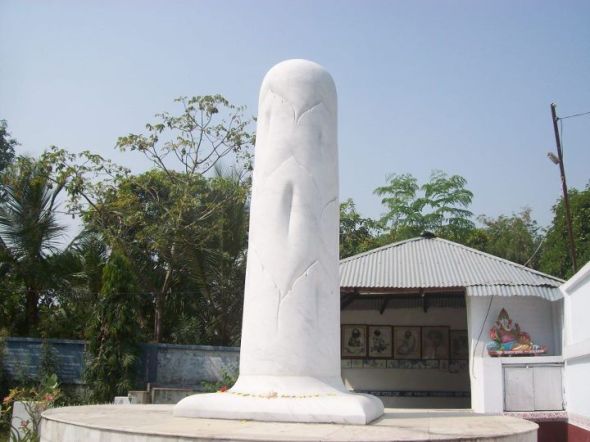
The Shiva Linga

Lingam
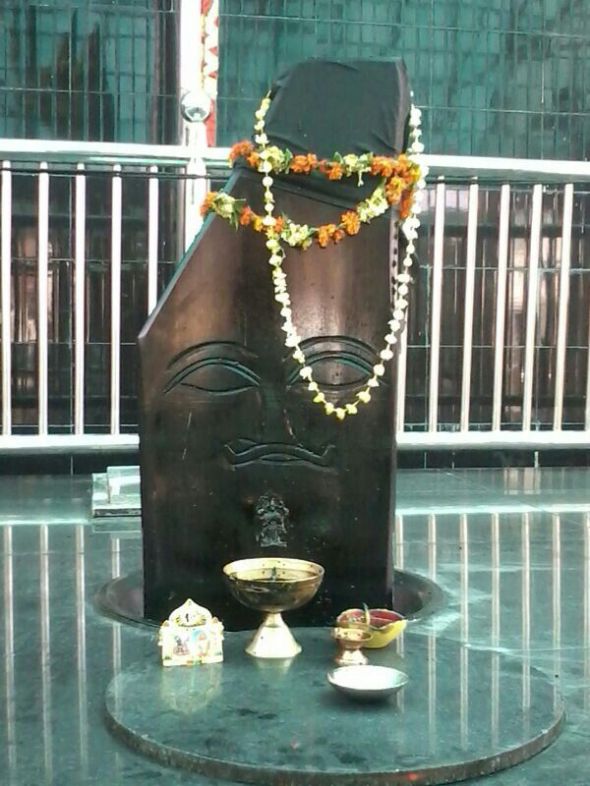
The legend of Shiva Linga or Lingodbhavamurthy is deeply related to Mahashivaratri. The legend narrates the story of vain search by Brahma and Vishnu to discover the Aadi (beginning) and the Antha (end) of Lord Shiva. The legend thus proves the supremacy of Lord Mahadeva over other Hindu Gods and explains why the lingam is believed to be one of the most potent emblems in Hindu ideals. The story is stated in the three of the puranas – the Kurma Purana, the Vayu Purana and Shiva Purana
Shiva_Lingam
According to Puranas, once the other two of the triads of Hindu Gods, Brahma and Vishnu were fighting over each other’s prowess. Horrified at the intensity of the battle, the other gods asked Shiva to intervene. To make them realize the futility of their fight, Lord Shiva assumed the form of a flaming Linga in between Brahma and Vishnu and challenged both of them by asking them to measure the gigantic Linga (phallic symbol of Lord Shiva). Awestruck by its magnitude, Brahma and Vishnu decided to find one end each to establish supremacy over the other. Lord Brahma took the form of a swan and went upwards while Lord Vishnu assumed the form of Varaha – a boar and went into the earth towards nether land. Both searched for thousands of miles but neither could find the end.
Shivling

Om Namah Shivaya

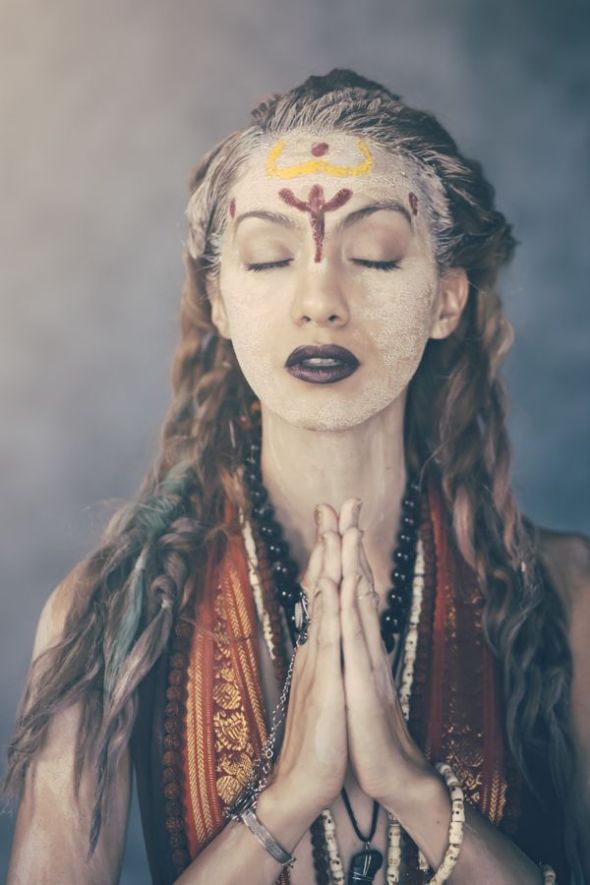
sadhvi
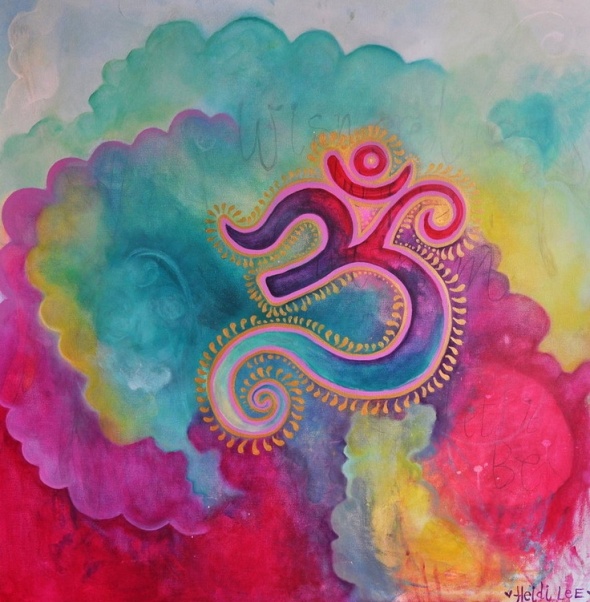
    Aum
Om or Aum is the pranava or seed mantra of all mantras. The two syllables na- and mah- can be translated as “I humbly bow to you”. The three syllables shi-vaa-ya invoke Lord Shiva and all his energies to bless us and lead us to the highest state of peace and meditation. The mantra should ideally be chanted twice a day (morning and evening) for 108 times each. The two words, namah and shivaya, are also referred to as the panchakshara (five letter) chant. It is said that those who chant these five holy letters while meditating on Lord Shiva will be blessed by visions of Shiva – the Lord of the yogis.

Statue of God – The sadhu

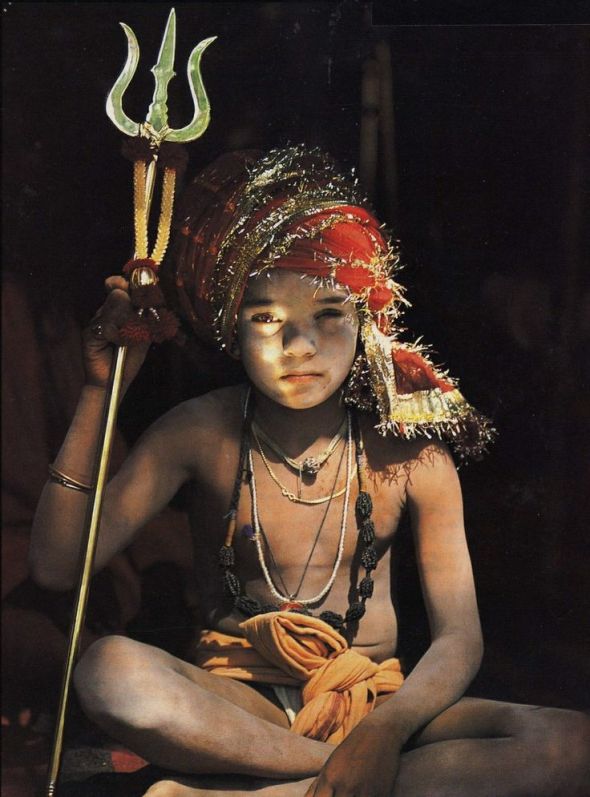
     bal sadhu
India is the Land of Gods, and we see and serve to god in the form of sadhu….
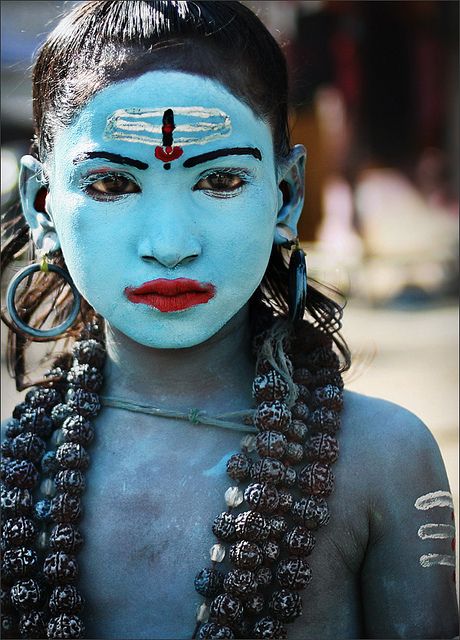
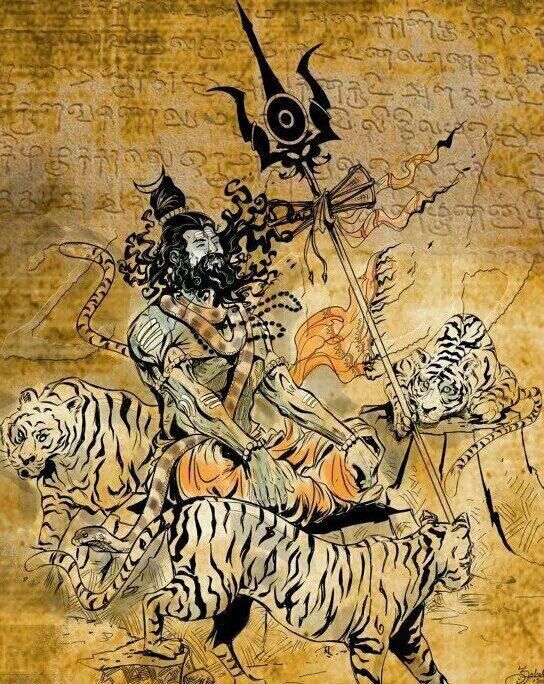
The Sadhu usually wears on his forehead the three lines of the god’s trident drawn in ash or sandalwood paste which may be vertical or horizontal. Endless variations of these sectarian marks, depending on the sect, are possible. They may decorate their bodies with various lines and markings, cover the entire torso with ashes, carry a metal trident and wear rosaries. The hair and the beard are uncut and matted.The Sadhu is credited with much of the development of Indian culture, art, architecture, music, poetry and literature, influencing and forming the very world he has abandoned with his endless travels from one sacred site to another, singing songs and reciting poetry and carrying icons, paintings and other sanctified objects.

lord of the cremation – Shiva

                          shiva
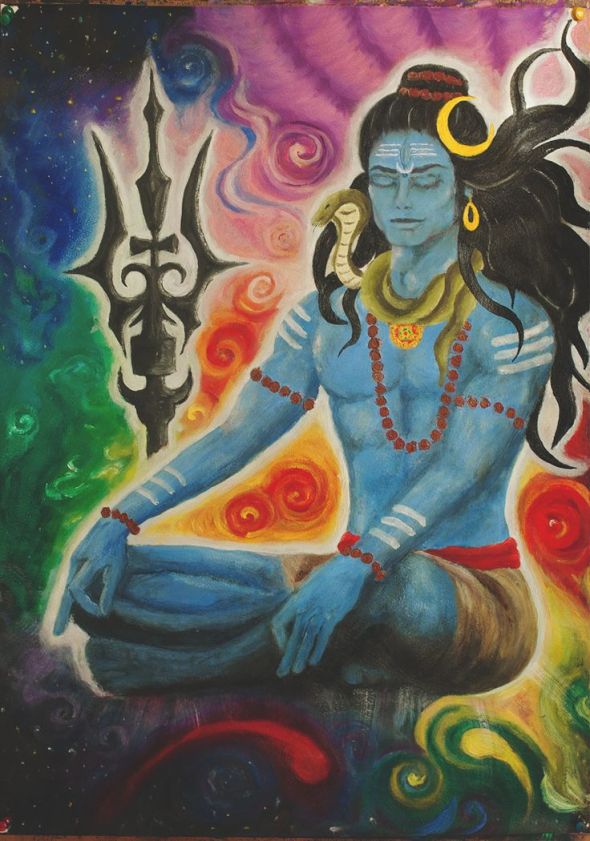
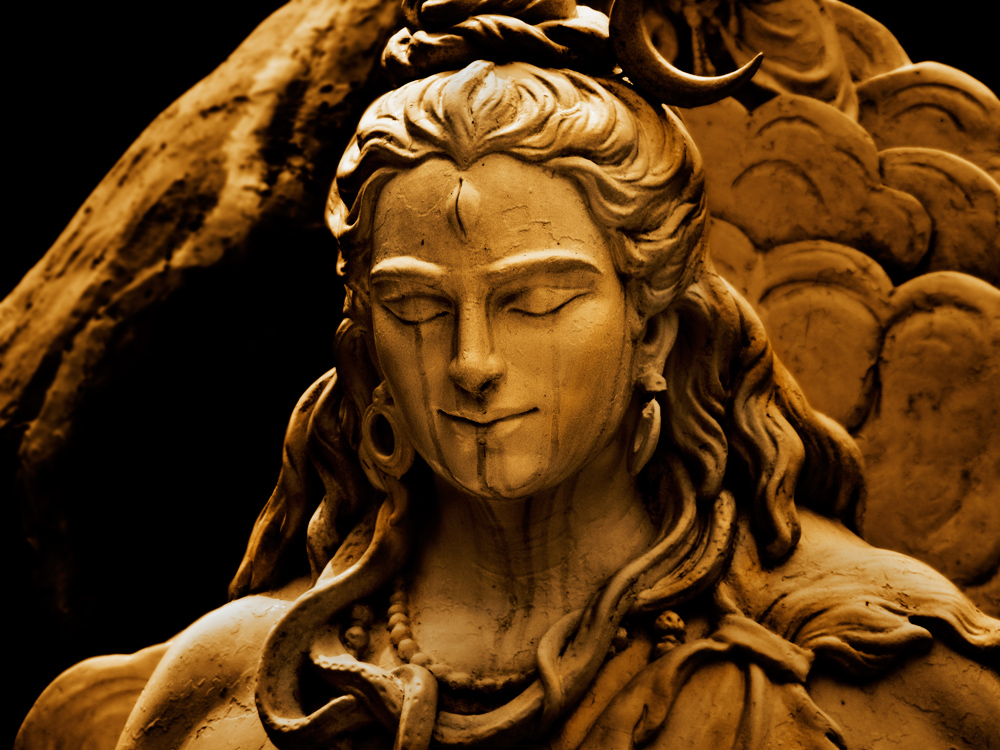
Shiva, the third god of the Hindu triadition, has three eyes, the third one (between the eyebrows) being usually closed, except at the time of destruction of things. He wears long hair, supports the holy Ganga river on his head and the crescent moon on his matted hair. He has two to four arms, holds a trident in his hand, is naked except for a tiger-skin, besmears himself with ash and is decorated with snakes on his head, neck and arms. He is very fair-coloured but has a blue throat due to his having drunk poison during the time of the churning of the ocean by the gods. In his other hands he holds an axe, an antelope, and an hour-glass shaped drum called a ‘damru’. He wears a garland of skulls and is also known as the lord of the cremation grounds. His consort is Parvati and he is the father of Ganesha and Skanda (Kartikeya). His vehicle is the bull called Nandi.

The Mahamrityunjaya – Victory from death

shiva.
Mahamrityunjaya Mantra is one among the finest Mantra’s in Indian Mythology and Spirituality belongs to Lord Shiva.It is a combination of three hindi language words i.e. “Maha” which means Great , “Mrityun” means Death and “Jaya” means Victory which turns into Conquer or victory over death. It is also known as “Rudra Mantra” or “Trayambakam Mantra”. Rudra refers to Lord Shiva.
Om Trayambakam Yajamahe, Sugandhim Pushti Vardhanam,
Urvarukmiv Bandhanat, Mrityurmokshaya Mamratat.

त्रयम्बकं यजामहे सुगन्धिं पुष्टिवर्धनम् ।
उर्वारुकमिव बन्धनान् म्रुत्योर्मुक्षिय मामृतात् ॥

The Shani Dev – one of the nine Navagraha or planets

799c8f85f8b7f5ff8ee2de3b53eaf996

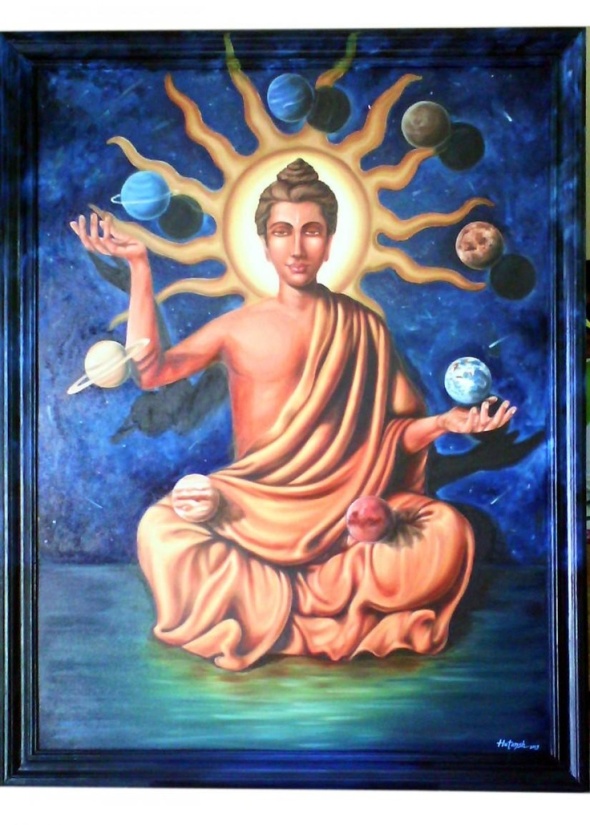
ShaniDev is one of the (Planet)”Navagraha ”which are the nine primary celestial beings in Hindu astrology, or Mtyhs. The word Shani (Saturday) also denotes the Seventh day or Saturday in most Indian languages.Shanaye Kramati – the one who moves slowly, as Saturn takes about 30 years to rotate around the Sun. Shani is also known as Shanaiscarya, Shani Bhagavan, Shaneesvara, Saneesvara, Shaneesvaran, Shani Deva.

Shani is a Lord and son of Surya (the Sun God) and his wife Chhaya (goddess of Shadow) and hence also known as Chayyaputra. He is the cousin of Yama, the Hindu God of death. It is said that when he opened his eyes as a baby for the very first time, the sun went into an eclipse, which clearly denotes the impact of Shani on astrological charts. He is known as the greatest teacher. He is known in Hindu scriptures as the greatest trouble maker as well as the greatest well wisher. He is depicted dark in colour, wearing cloths in black, holding a sword, arrows and two daggers and variously mounted on a black vulture or a raven.

The Sura Dev – The maker of day

       10cc4a0d657ef070f52d40133c4f874f
Surya (Sun God) is the chief solar deity in Hinduism.In Hindu religious literature, Surya is notably mentioned as the visible form of God that one can see every day.Surya is the son of Sage Kashyapa and Aditi.He has two wives Samnja and Chaya.Surya is, the ruler of the worlds, who is crowned with rays, who appears at the horizon, who is greeted by gods and demons, and brings light.He constitutes created beings, He is the life-breath, the source of the seasons, the store-house of light, an offspring of Aditi, the progenitor, the Sun-God, the courser in the heavens, the nourished, the possessor of rays, the golden, the brilliant, the One whose energy constitutes the seed of the universe and the maker of day.

The Shiva MahaPuran

            shivpuran

The Shiva Purana has twenty-four thousand shlokas.  There are total 18 Paranas. and number of Uppuranas. Shiva Mahapuran is one of them. Each Purana represents one God and describes him as the supreme most and glorifies him. The Purana consists of other relevant anecdotes and stories, also which make it more interesting . At the same time, it makes us available . Some historical facts, also . By studying these Puranas., we can learn how to find some solace while experiencing struggle and hardships in life. Puranas. have kept our cultural values alive. They have nurture our spiritual progress, also.

Goddess Parvati

                  Paarvati

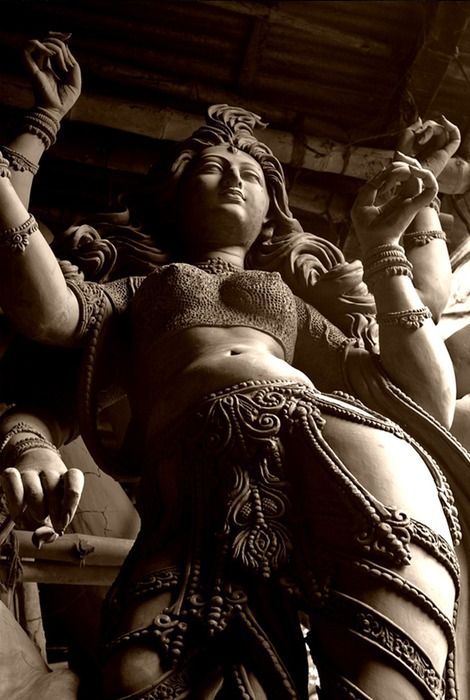
Goddess Parvati is regarded as the power and divine consort of Lord Shiva – the Destroyer. Like her consort Shiva, Goddess Parvati is said to have both mild and terrible aspects.The appearance of Goddess Parvati will vary depending on whether she is depicted alone or with Lord Shiva. When she is depicted along with Lord Shiva she has two hands with a blue lotus in her right hand and the left hand by her side.Kali is the first representation of Goddess Parvati and she was known as the destroyer. She is also known as the Goddess of time.